The incoming call.
The unread email.
The next person you speak to.
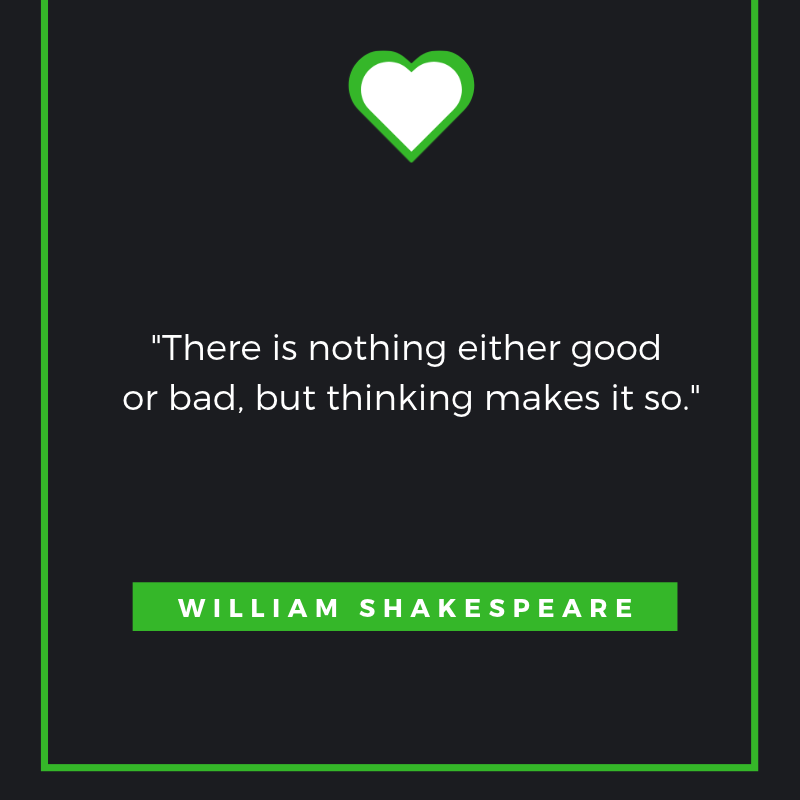
All day long, you’re evaluating whether what you hear and see is good or bad, but what if it’s neither?
What if they just are?
What if it’s you giving meaning to what you hear and see that makes it feel and sound good or bad?
Sorting things into good news and bad news works well because it lets you categorize your thinking; it makes life easier. Once you’ve categorized something as good or bad, then you can build an entire story around it before you gain any more information.
There is a Taoist story of an old farmer who had worked his crops for many years. One day his horse ran away. Upon hearing the news, his neighbors came to visit. “Such bad luck,” they said sympathetically.
“Maybe,” the farmer replied. The next morning the horse returned, bringing with it three other wild horses. “How wonderful,” the neighbors exclaimed.
“Maybe,” replied the old man. The following day, his son tried to ride one of the untamed horses, was thrown, and broke his leg. The neighbors again came to offer their sympathy on his misfortune. “Maybe,” answered the farmer. The day after, military officials came to the village to draft young men into the army. Seeing that the son’s leg was broken, they passed him by. The neighbors congratulated the farmer on how well things had turned out. “Maybe,” said the farmer.
This short story illustrates that although you might think something is good or bad at the time you first hear or see it, you never really know how it will eventually play out. So as you’re going through your day and judging events as good news and bad news, be aware that quite often the things you hear and see are only worth the value you place upon them in your mind.
P.S. Thanks for reading! If you enjoyed it, don’t keep it secret – share it with one person you love